Global health & development

Millions of people worldwide live in extreme poverty and die from preventable diseases. Proven, cost-effective interventions can save and substantially improve lives, often for very little money.

Why work on this cause area?

Though the world is richer than ever before, over 800 million people live on less than $3 per day (adjusted for purchasing power). Extreme poverty affects every part of a person’s life, from schooling to nutrition to the ability to recover from illness. Hundreds of millions lack access to adequate food, water, healthcare, and safe infrastructure, particularly in low- and middle-income countries. Each year, around five million children die, primarily from preventable causes like malaria, pneumonia, and birth disorders.
Many of these problems can be solved with relatively cheap interventions. Charity evaluators like GiveWell research which ones do the most good per dollar, and help direct hundreds of millions of dollars toward them.
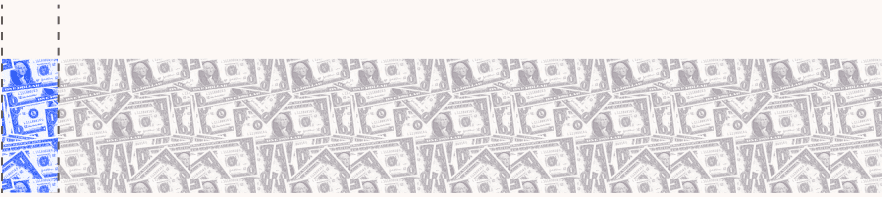
If you live in the United States and earn $68,500 a year after tax, you are among the richest 1% of people in the world.
Estimates suggest that if the top 1% gave 10% of their income, it would be enough to end extreme poverty for a year, secure clean water and sanitation, and dramatically suppress malaria, TB, HIV and neglected tropical diseases.

Key problems

Disease

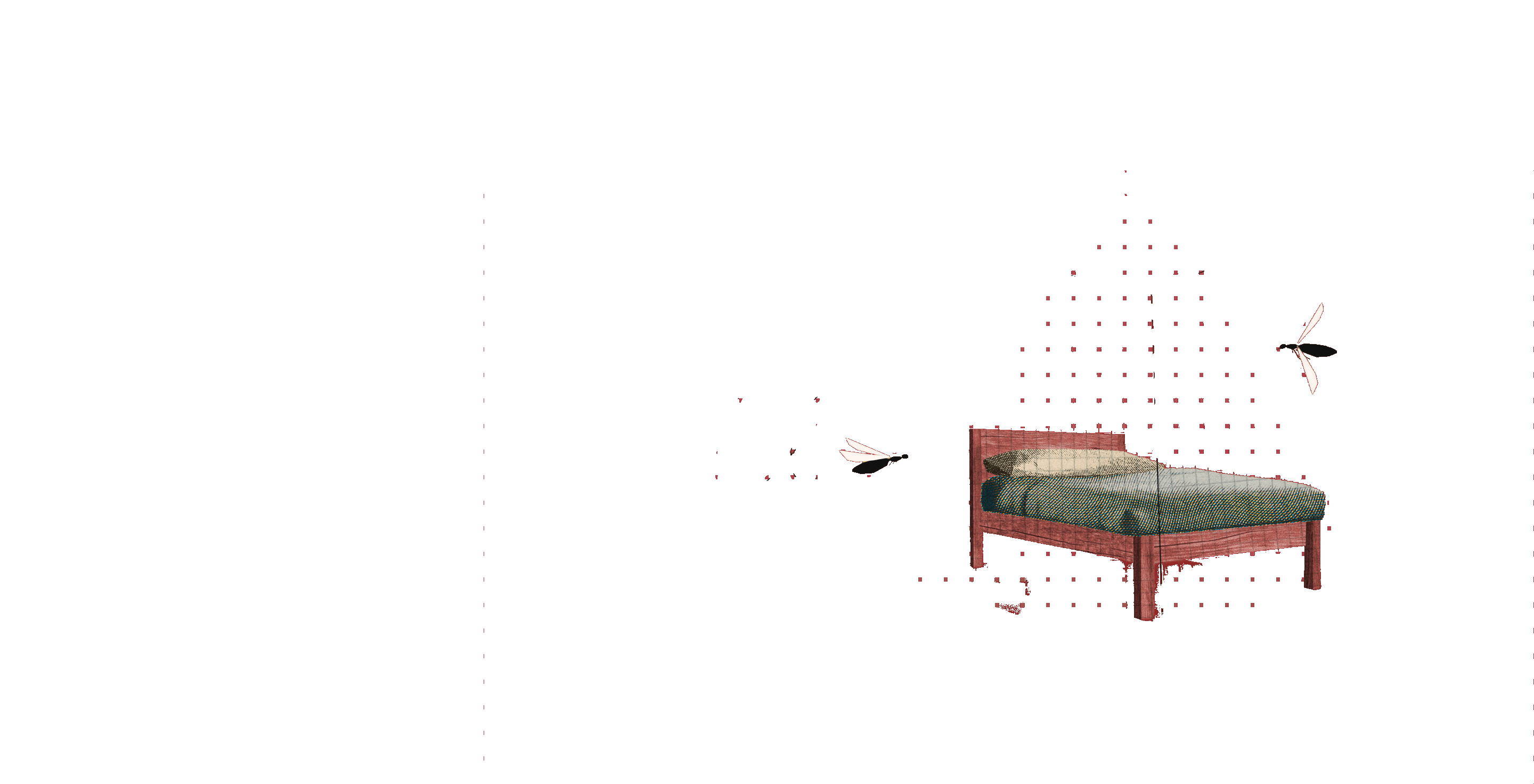
Health conditions like tuberculosis, HIV, malaria, and diarrheal diseases are massive killers in low- and middle-income countries, even though there are proven methods of preventing or treating them. Malaria alone caused 282 million cases and around 610,000 deaths in 2024, and roughly three quarters of those deaths were children under five. But there are cheap ways to protect people. Insecticide-treated bednets prevent bites from infected mosquitoes, and preventive medicine can cost as little as $7 per child per season.

Lead poisoning

Lead is highly toxic, causing severe cognitive and physical problems. Paint is a key source of lead poisoning, yet it remains unregulated in half of all countries worldwide. Lead-based paints are often used in low- and middle-income countries, including in homes, schools, and playgrounds. As the paint flakes over time, toxins can get into the bloodstream via dust or chips. Young children are particularly susceptible, since their bodies absorb more lead while they are developing fastest.
An estimated one in three children worldwide has lead poisoning, which affects brain development and, in turn, lifelong income potential. It can also cause cardiovascular disease, anemia, kidney damage, and even death.
Research suggests that some strategies for reducing lead exposure, like advocating for paint regulation, may be competitive with the most cost-effective global health charities.

Hunger and malnutrition

In 2025, about 2.1 billion people experienced moderate or severe food insecurity that caused them to cut back on the quality or quantity of their food. Even those who are able to access enough calories may face deficiencies in essential vitamins and minerals, which can be deadly for young children. For example, Vitamin A deficiency is the leading cause of preventable childhood blindness. Even mild deficiencies can increase children’s risk of infection, slow their growth, and increase the likelihood of dying from serious illnesses.
Supplementation programs are cheap and well-evidenced, and often rank among the most cost-effective interventions in global health.

Should global health and development be a priority?

Many people who work on global health and development chose to prioritize this cause area because they think it’s particularly important, relatively neglected, and there is a strong potential for real change.
How cause prioritization works

Importance

1 in 10

people worldwide live in extreme poverty
How bad is the problem?

Poverty rarely makes the news, but hundreds of millions suffer from its effects

Poverty and health are deeply intertwined. People living in low- and middle-income countries are more likely to be exposed to diseases that are essentially eradicated in wealthier countries. In turn, people who are sick may be unable to work and are often unable to afford or access proper medical care. In 2024, 4.9 million children died before their fifth birthday, primarily of preventable or treatable diseases. Even non-lethal diseases can have severe consequences for an individual’s overall quality of life, which researchers measure using the Disability-Adjusted Life Year metric, which combines years of life lost with years lived in poor health.
Neglectedness

6%

of charitable donations go to international charities.
How much of a difference would more resources make?

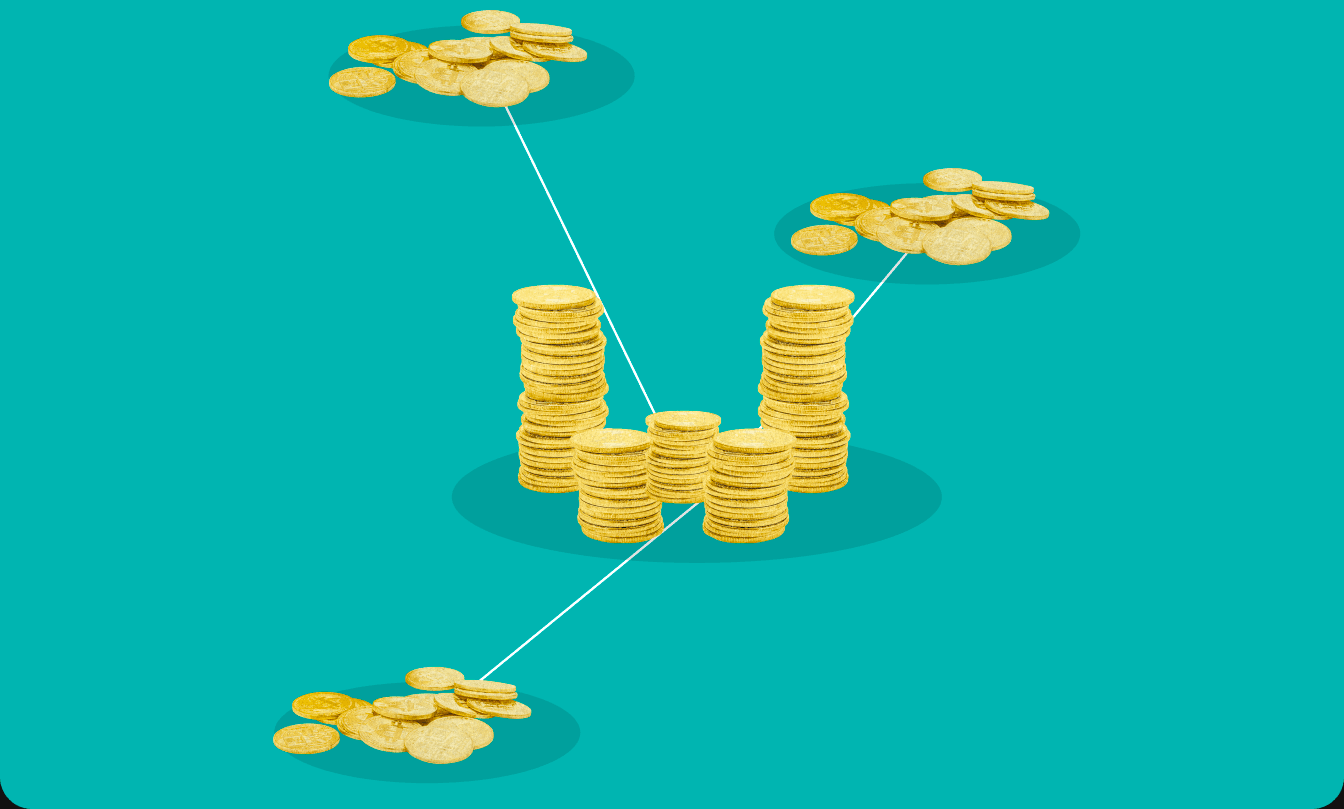
Most giving stays close to home, even though the same money goes much further elsewhere

Most donors prefer to help people near them, so only 6% of donations go to international charities. Since the majority of wealthy donors live in high-income countries, most of that money stays there, even though the burden of preventable disease falls overwhelmingly on low-income countries, where a dollar can do far more good.

Tractability

~$5,000

to save a life through the most cost-effective charities
How likely is it that the problem can be improved or solved?

Evidence-backed interventions exist, and they are remarkably cheap

GiveWell identifies and directs funding to the most cost-effective global health charities. In 2026, their top charities range from around $3,500 to $5,500 per life saved. Although impact is hard to calculate precisely, GiveWell estimates that funds it has directed from 2009 through 2025 will avert over 430,000 deaths. For comparison, the UK government will usually allocate up to a million dollars to save a life domestically.
Their top recommendations include preventative anti-malarial medicine to protect a child for around $7, and vitamin A supplements for around $2 per child per year.

Interested in getting involved in global health and development?

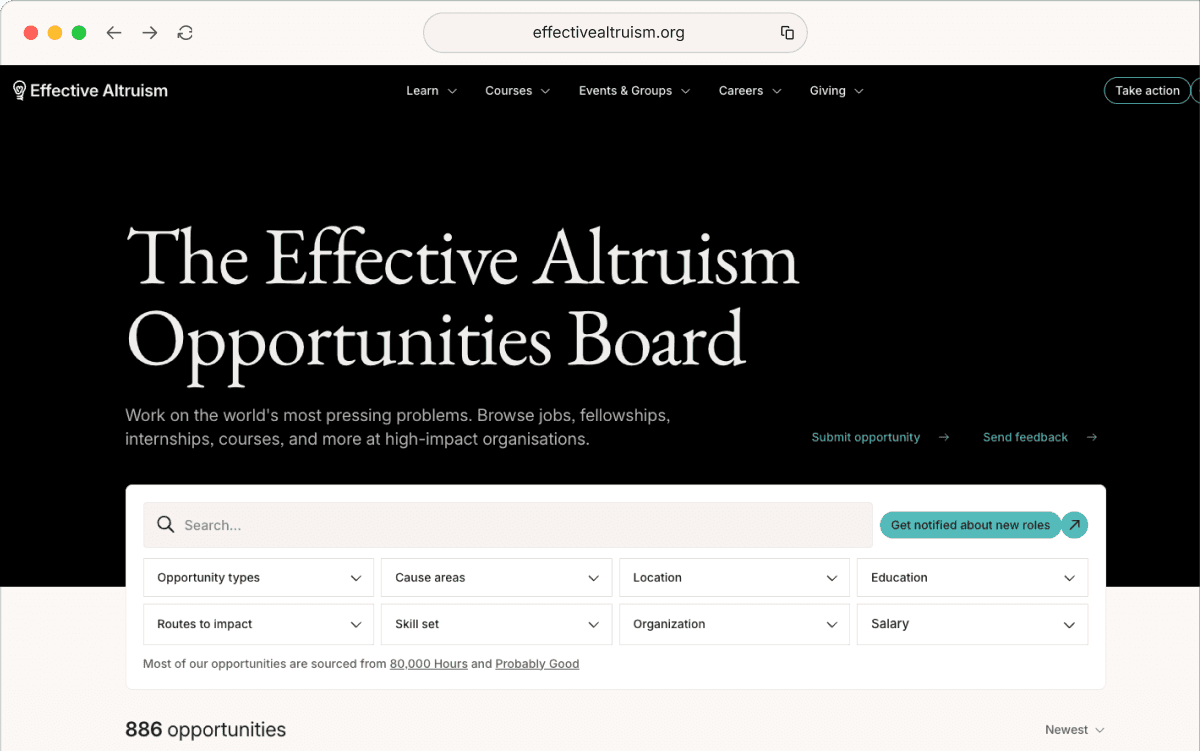
Search our opportunities board for full-time and part-time roles, fellowships, internships, volunteer opportunities, training programs, and events that could help you do more good with your career.
EA
Stories

Meet people using their careers to make a positive impact

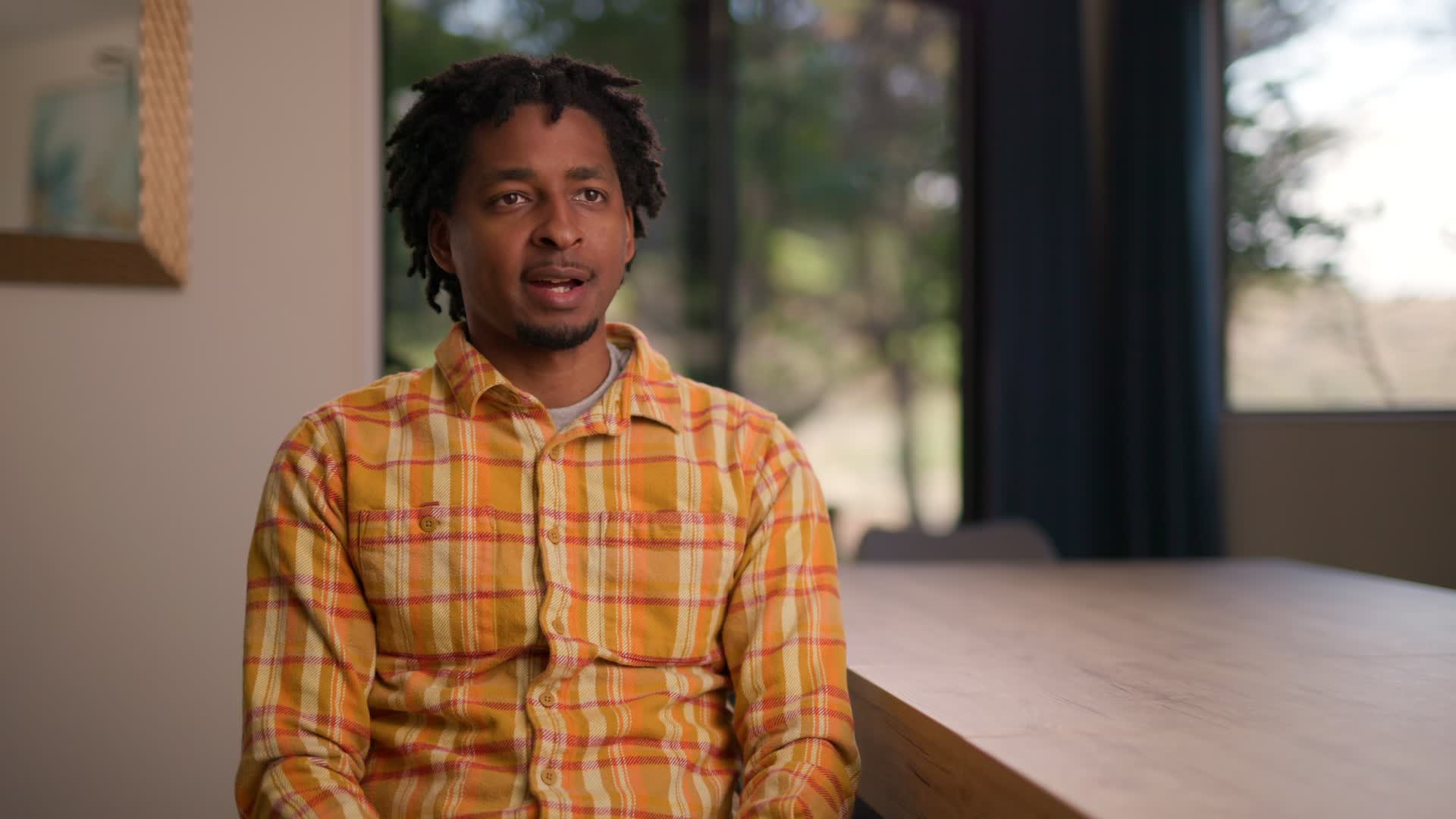
Watch Grace Adams’s story
“Hearing that your dollar could go 100 times further overseas really struck me. Of course, if I could help a hundred times more people, I wanted to do that.”
Grace Adams
Management consultant turned champion for effective giving
Read Sam Anschell’s story
“Effective altruism means thinking deeply and putting care into using our resources — time, money, connections, anything that gives us the ability to create impact — thoughtfully and impartially to best improve the lives of others.”
Sam Anschell
Poker dealer turned global aid grantmaker
Watch Marcus Davis’s story
“Effective altruism is not a set of answers. It's a set of principles. It's a way of approaching the world.”
Marcus Davis
Volunteer turned thinktank CEO

FAQs

What next?

Meet people working on global health and development
Join effective altruism conferences and events to hear from others, explore different career paths, and build connections.
Read more about global health and development
A deeper overview of global health and development, including career paths and considerations.
Explore the global health and development fund
Funding outstanding, evidence-based opportunities to provide better access to healthcare & economic development.